
Liberia Meteorological Service (LMS) installs CLIMSA/PUMA2025 (Meteosat Third Generation) system at the Robert International Airport
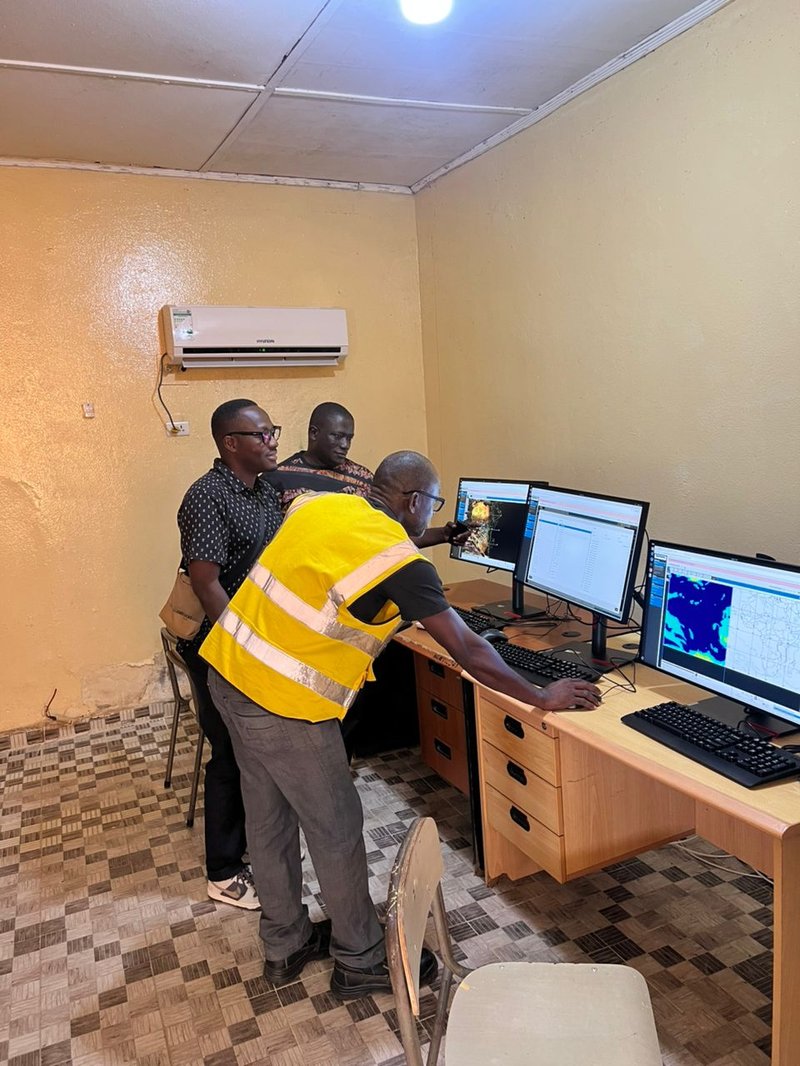
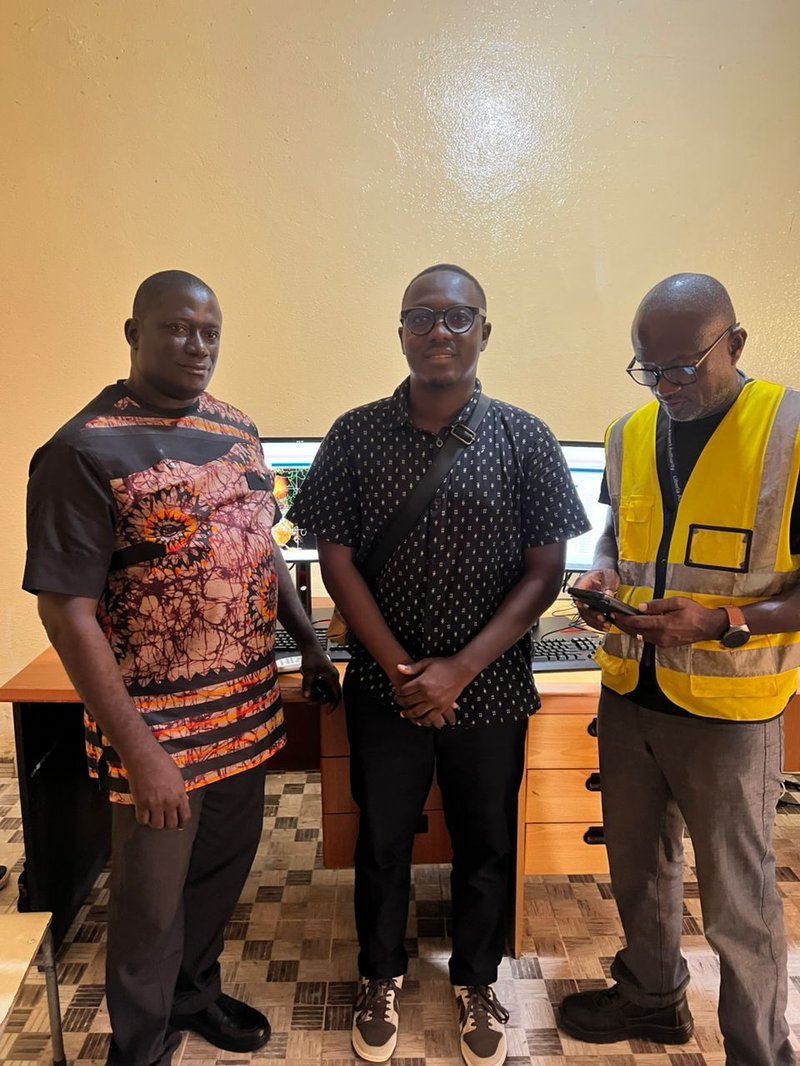
The Liberia Meteorological Service (LMS), in collaboration with Tecnavia SA, has successfully completed the installation of the ClimSA/PUMA2025 Meteosat Third Generation (MTG) system on Friday, October 24, 2025, at the Roberts international Airport.
The ClimSA Program, funded by the European Union, is being implemented across the Regional Economic Communities of West Africa. Its primary objective is to strengthen the capacity of National Meteorological Services (NMS) in member states to develop and deliver customized, timely, science-based weather and climate information services to support informed decision-making.
To achieve this goal, the African Union Commission (AUC), with financial support from the European Union, contracted Tecnavia SA, a Swiss-based company, as the official service provider to supply and install the meteorological infrastructure (PUMA stations) and climate infrastructure (ClimSA stations) for the NMS, Regional Climate Centers, and Training Centers across Africa.
The supply and installation of the PUMA stations are critical for the Liberia Meteorological Service and the wider African meteorological community to continue receiving Meteosat Third Generation (MTG) model data and high-resolution weather satellite imagery. These enhanced functionalities will play a key role in disaster risk reduction, food security and resilience-building, air quality monitoring, and other climate-related services.
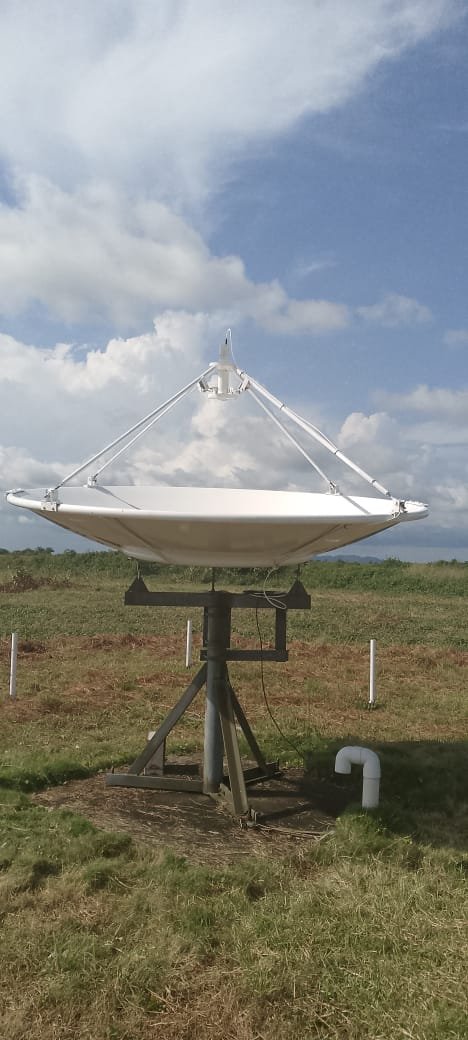
This milestone marks a significant turning point in the advancement of meteorological services in Liberia. The newly installed system will greatly enhance the country’s capacity to provide early warning information to the general population, contributing to improved disaster preparedness and sustainable development in Liberia and beyond.
This development will support the production of customized climate information or services for climate resilient development sectors such as agriculture and food security, aviation, disaster risk reduction, energy, health, infrastructure, and water, among others.