

The Liberia Meteorological Service (LMS) and the Environmental Protection Agency (EPA) Concluded Training on Climate Change and Crop Modelling for Agricultural Adaptation in Bong, Lofa, and Nimba (BLN)
The Liberia Meteorological Service (LMS), in collaboration with the Environmental Protection Agency (EPA), has successfully concluded a three-day training on Climate Change, Crop Modelling for Agricultural Adaptation, and the 2026 Agro-Climatic Seasonal Forecast for Bong, Lofa, and Nimba (BLN) Counties.
The training, funded by the International Fund for Agricultural Development (IFAD) through the EPA, was held from May 27–29, 2026, in Gbarnga City, Bong County.
The event brought together farmers and agricultural specialists from the Ministry of Agriculture (MoA), the National Disaster Management Agency (NDMA), the Liberia Hydrological Service (LHS), journalists, and other key stakeholders from the agriculture and climate sectors.
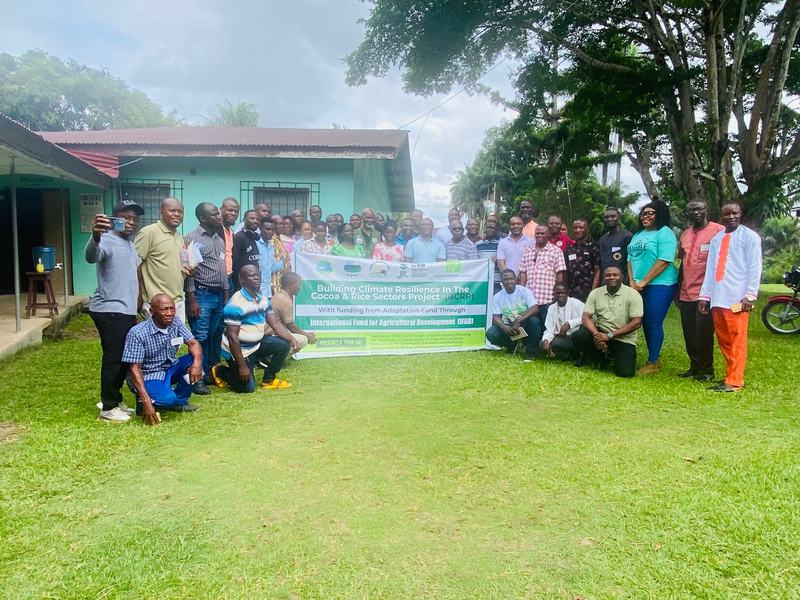
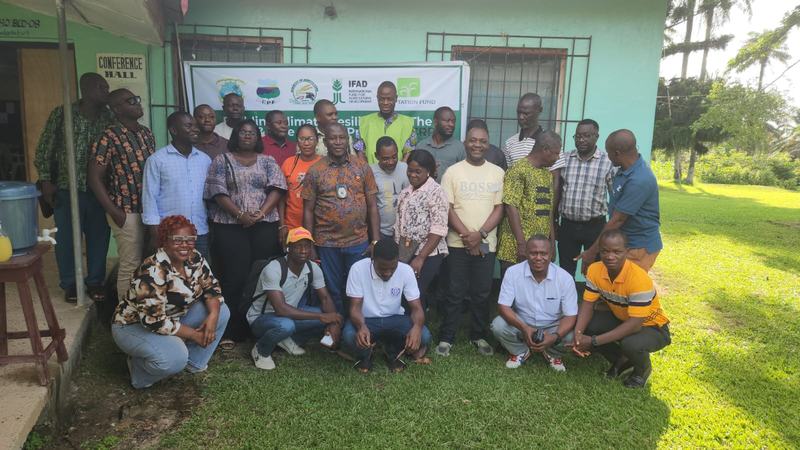
During the opening ceremony, Mr. Elijah Z. Whapoe, Head of the National Climate Change Secretariat, welcomed participants and encouraged them to take full advantage of the opportunity to learn about crop modelling. He also urged participants to disseminate the 2026 Seasonal Agro-Climatic Forecast to farmers across Bong, Lofa, and Nimba Counties.
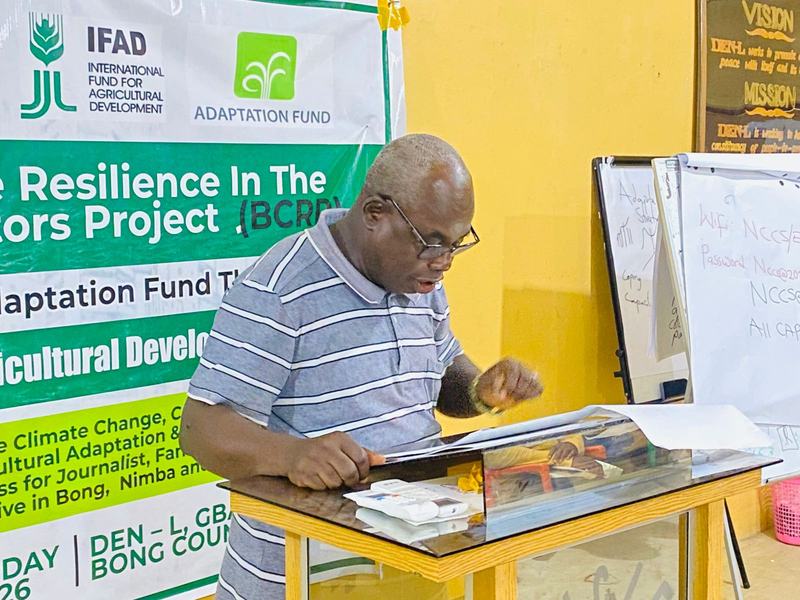
Mr. Albert Momolu Sherman, Director/PR of the Liberia Meteorological Service (LMS) introduced the team from (LMS) and encouraged all stakeholders to take a keen interest in the seasonal forecast. He noted that seasonal forecasts enable stakeholders to prepare for potential challenges and unforeseen situations, allowing them to take timely and appropriate actions.
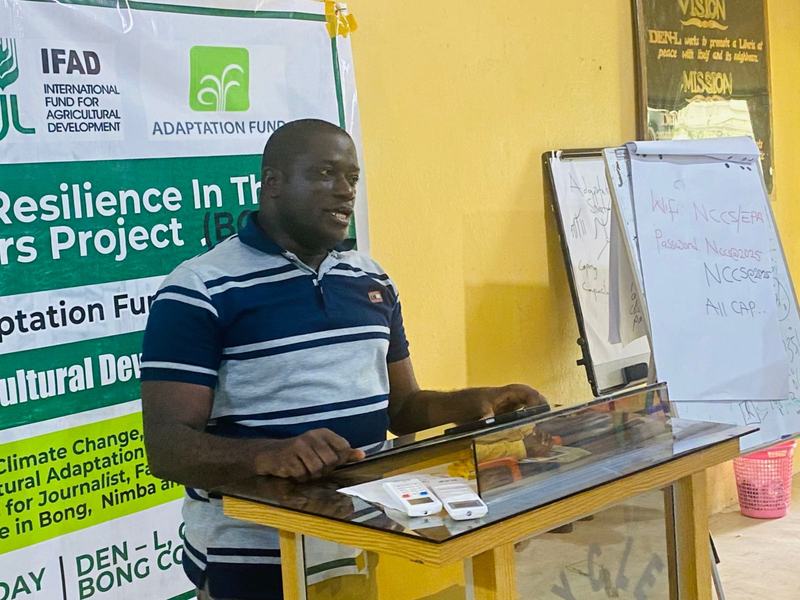
During the training, Dr. Yusuff M. Sarmoh emphasized the importance of climate and crop modelling in improving agricultural production and farming practices. He explained that climate and crop models play a critical role in helping farmers, researchers, and policymakers make informed decisions that enhance productivity, reduce risks, and strengthen resilience to climate change.
Dr. Sarmoh also highlighted the importance of analyzing historical climate conditions alongside projected future climate scenarios to better understand changes in rainfall patterns, temperature, and extreme weather events that may affect agricultural activities and food production. He noted that modelling provides more precise and scientific information for decision-making than traditional methods and supports agricultural planning, including crop selection, planting dates, water management, and adaptation strategies.
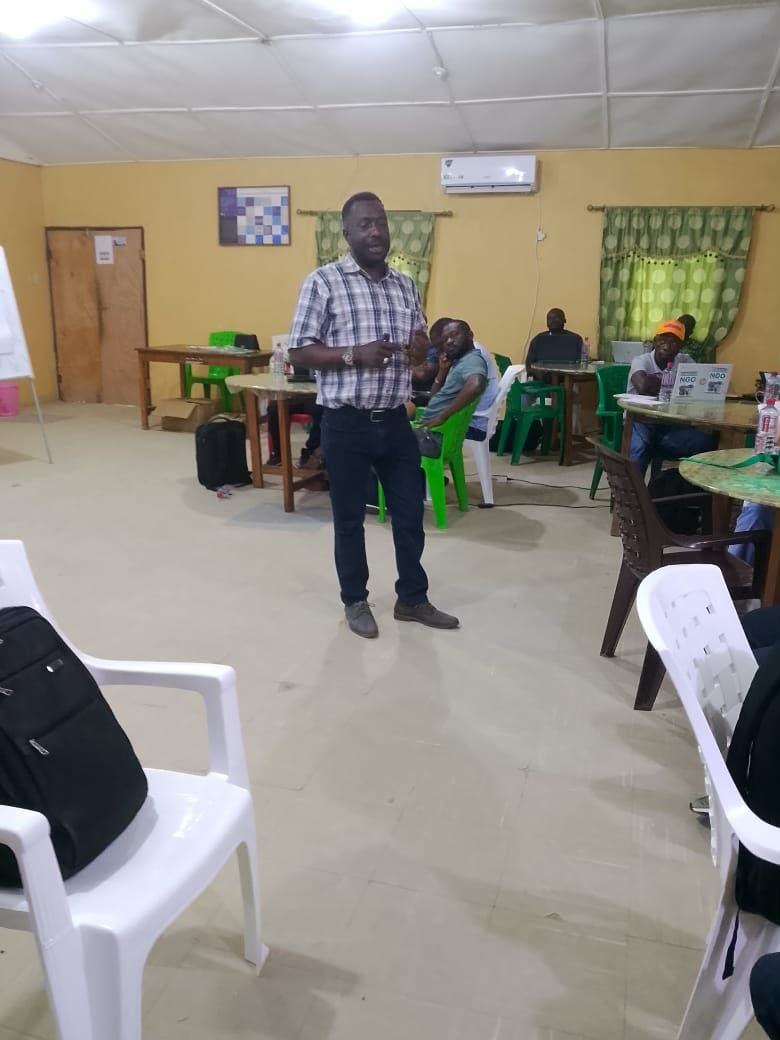
Also speaking during the training, Mr. Steven B. Jones, a Forecaster at LMS, discussed the role of modelling in weather forecasting and agricultural decision-making. He explained how climate information can be applied to agricultural production and noted that modelling helps diagnose problems and supports more precise decision-making in farming activities.
Mr. Jones guided participants through the interpretation of weather symbols and forecasts, emphasizing their importance in agricultural planning. He further explained the relationship between climate science and crop modelling, highlighting how both disciplines work together to support informed decisions on farming operations, risk reduction, and resource management.
Additionally, Mr. Jones provided an overview of agricultural modelling tools, including APSIM and DSSAT, and outlined key climate parameters such as rainfall, temperature, relative humidity, and sunshine duration as essential inputs for agricultural modelling and decision-support systems.
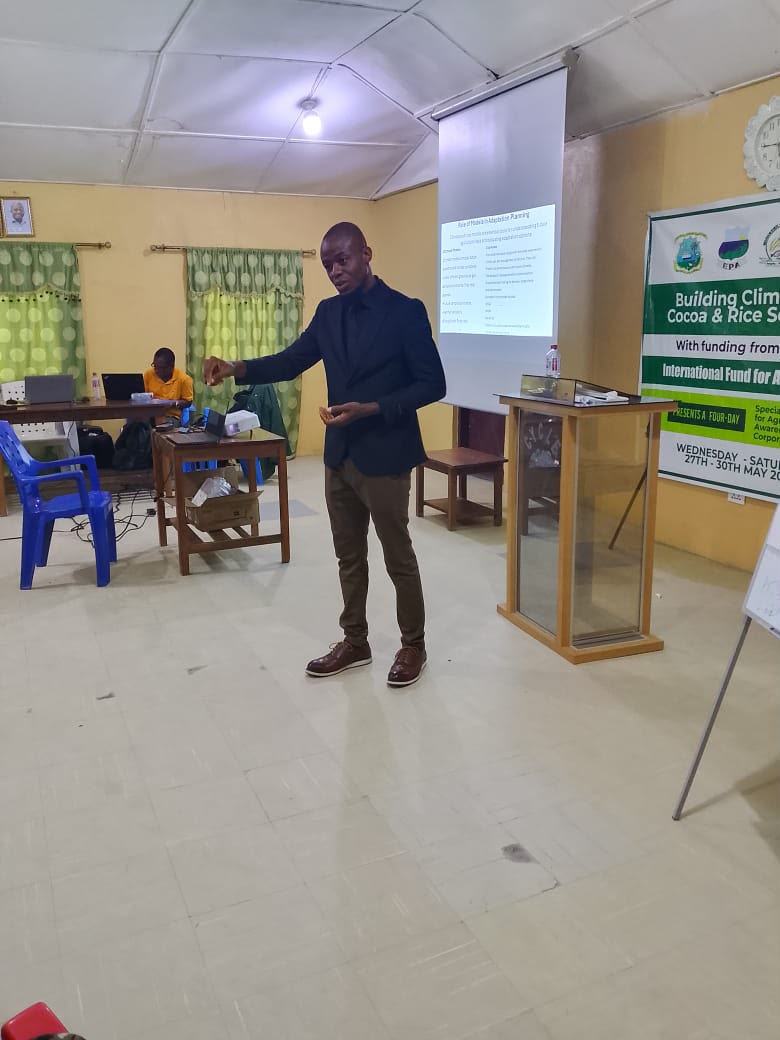
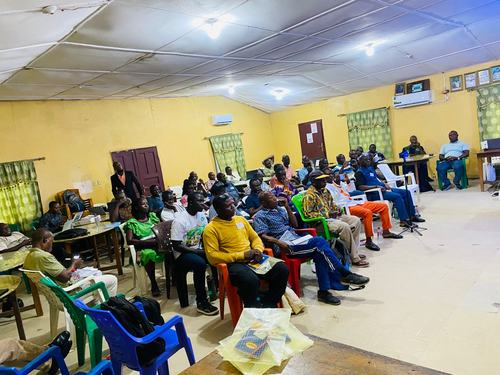
Mr. James Leviticus Kollie, Agrometeorological Engineer at LMS, delivered a presentation on the importance of crop modelling in agricultural production. He explained that crop modelling is a scientific tool used to simulate and predict crop growth, development, and yields under varying environmental, soil, and management conditions.
Mr. Kollie highlighted that crop modelling supports informed decision-making by farmers, agricultural institutions, policymakers, and other stakeholders by providing valuable insights into crop performance under different climatic scenarios. He also explained the application and significance of AquaCrop tool in crop modelling, emphasizing its role in assessing crop productivity, water requirements, and climate-related risks.
Furthermore, Mr. Kollie described agrometeorology as a specialized field that integrates agriculture and meteorology to better understand the influence of weather and climate on agricultural activities and food production.
As part of the training, Mr. Kollie presented the 2026 Seasonal Forecast for Agriculture, providing participants with key information on the expected onset and cessation of the rainy season, anticipated dry spells, and the projected length of the cropping season. He stressed the importance of utilizing seasonal climate information to improve agricultural planning, increase productivity, and strengthen resilience to climate variability and change.
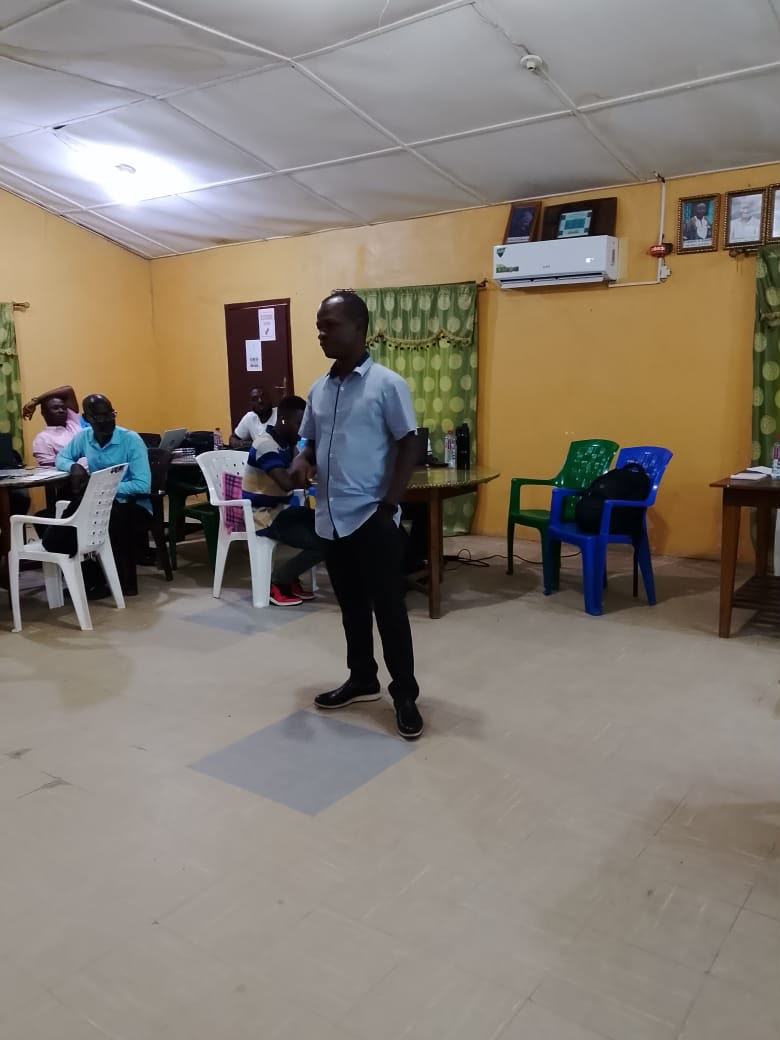
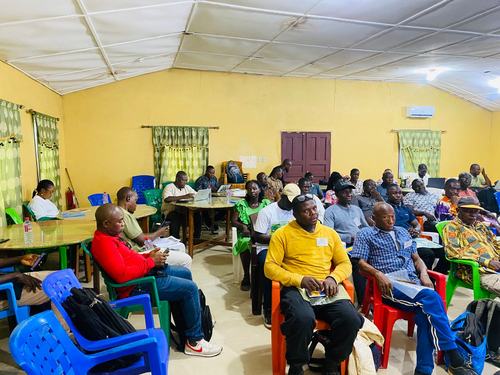
Closing Ceremony
Delivering the closing remarks, Mr. Anthony Kollie Deputy Director for Administration at the Environmental Protection Agency (EPA) commended participants, facilitators, and partners for their commitment throughout the training. He noted that the knowledge and skills gained in climate data analysis, crop modelling, and adaptation strategies will support informed decision-making, improve agricultural productivity, and reduce vulnerability to climate change.
Mr. Kollie emphasized that climate-resilient agriculture is essential for safeguarding food security and strengthening national resilience. He encouraged participants to apply the knowledge acquired within their institutions and communities and to continue promoting collaboration and innovation in addressing climate-related challenges.
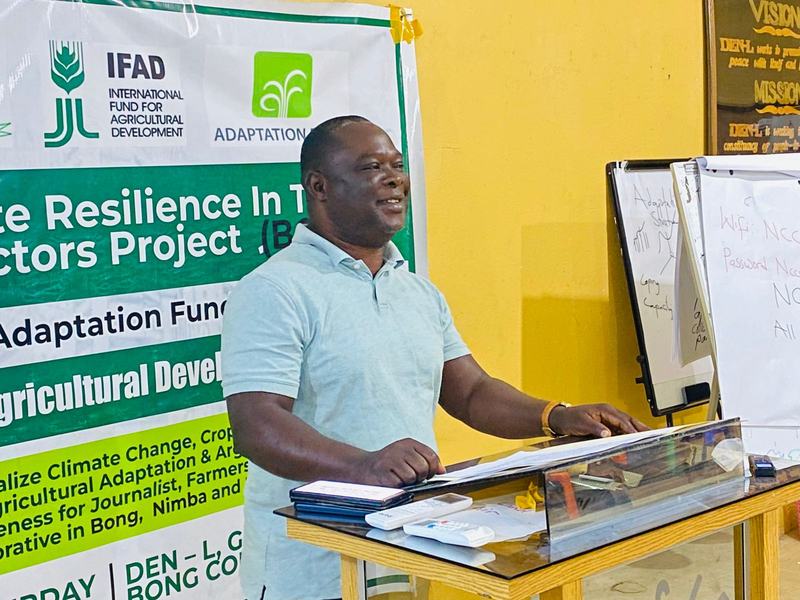
Speaking on behalf of the Ministry of Agriculture, Hon. Edward B. Perry reaffirmed the Government of Liberia’s commitment to building a resilient agricultural sector. He noted that agriculture supports approximately 70 percent of Liberia’s population but remains highly vulnerable to climate-related challenges, including erratic rainfall, floods, droughts, pest outbreaks, and declining yields.
Hon. Perry emphasized the need for climate-smart and evidence-based farming practices to address these challenges. He also highlighted the importance of Agro-Meteorological Bulletins and the forthcoming national cropping calendar as essential tools for guiding farmers, improving productivity, and strengthening food security.
He urged participants to share the knowledge gained during the training with farming communities across the country, describing them as agents of change in advancing climate-resilient agriculture in Liberia.
Participants Praise AgroMet Bulletin
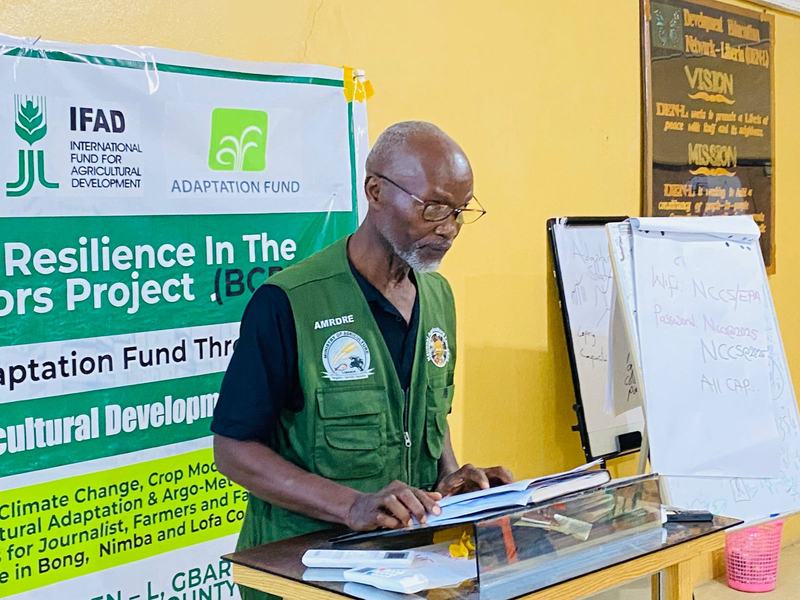
Participants described the training as eye-opening and highly beneficial. Mr. Freeman Blackie, a participant from the Central Agricultural Research Institute (CARI), thanked the organizers and expressed strong interest in the Agro-Meteorological (AgroMet) Bulletin.
He commended LMS for expanding climate services to the agricultural sector and described the AgroMet Bulletin as a breakthrough initiative for Liberian agriculture. According to Mr. Blackie, the bulletin provides farmers with direct access to weather information during the planting season, enabling them to make informed decisions on planting and crop management.
He noted that it was the first time he had seen such climate information being made readily available to farmers in Liberia. He added that the initiative would help improve crop yields and strengthen farmers’ resilience to climate variability.
Mr. Blackie also expressed appreciation to IFAD and all partners, noting that the collaboration between the EPA, LMS, and CARI demonstrates how science, partnerships, and climate information can work together to transform agriculture and build resilience in Liberia.
The training concluded with a renewed commitment from stakeholders to advance sustainable agriculture, strengthen climate resilience, and improve food security across Liberia.