Agrometeorological Dekadal Bulletin-3rd DEKAD of December 2025

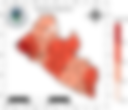
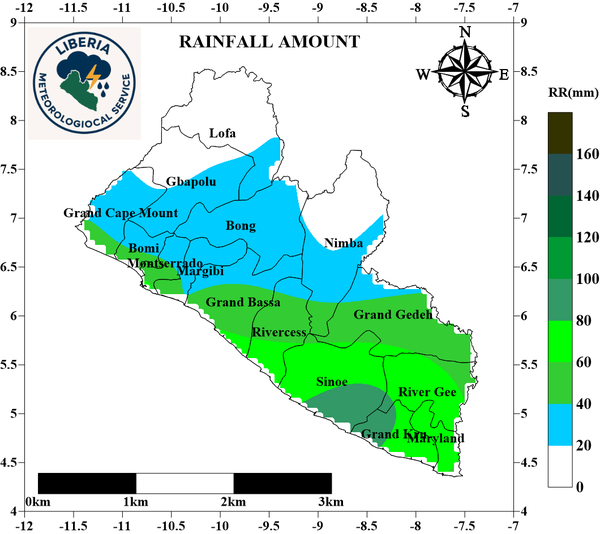
Dekadal Precipitation Amount

Summary

Rainfall during the third Dakad of December 2025: The third DEKAD of December 2025 were characterized by moderate rainfall in the south and southeast parts of the country. Some parts of Lofa, Gbapolu, Nimba counties recorded low rainfall during this period. Nationwide, rainfall amounts ranged from 00.0mm to 94.1mm.

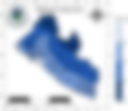
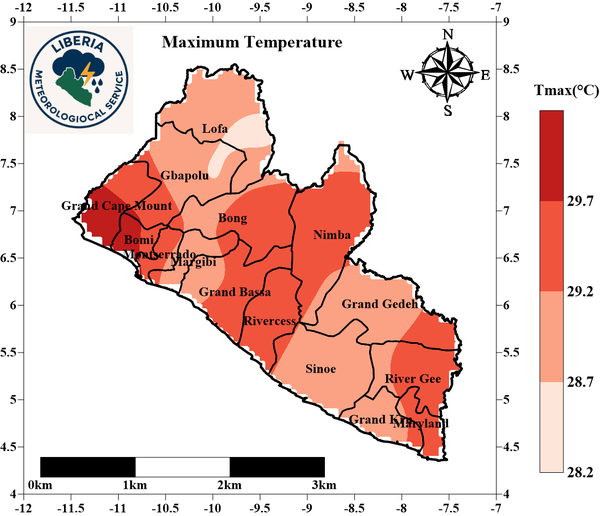
Maximum temperature at 2m

Summary:

Maximum Temperature: The third DEKAD of December 2025 was marked by an increase in maximum temperatures in River Gee, Maryland, Rivercess, parts of Nimba, Bong, G. Bassa, Montserrado, Bomi and G. Cape Mount. The rest of the country received low temperature. Maximum temperatures ranged between 28.6°C and 30.0°C.

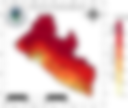
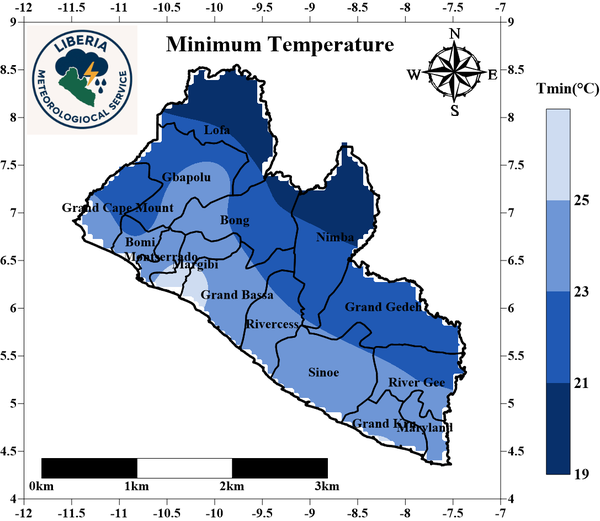
Minimum temperature at 2m

Summary

Minimum Temperature: The third DEKAD of December 2025 were marked by variations in minimum temperatures. The southern (costal) region experienced highest values, while the northern and northwestern region experienced the lowest. Minimum temperature during this period ranged from 19.6°C to 26.5°C.

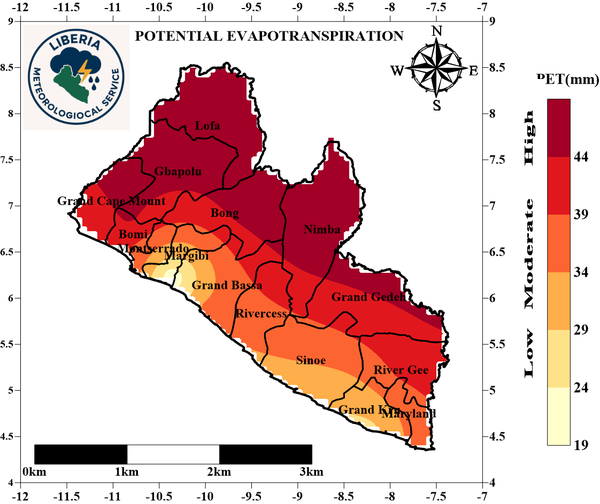
Dekadal ETO

Summary:

During the third DEKAD of December 2025, the north and northwest parts of the country experienced instanced sunshine with high evapotranspiration rates. The central to the western region experienced moderate evapotranspiration rate while the coastal region experienced low evapotranspiration rates

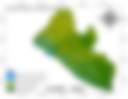
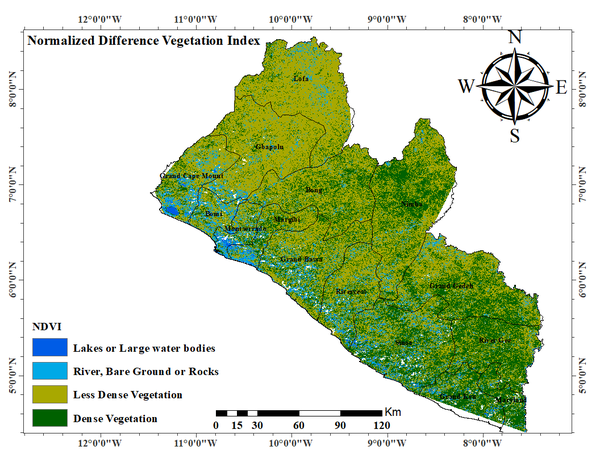
NVDI

Summary:

Normalized difference Vegetation Index (NDVI): During the third DEKAD of December 2025, the southeast part of the country was covered by dense vegetation. However, the Southwest region experienced less dense vegetation

Summary:

Moderate rainfall was recorded in the southern and southeastern regions, while low to no rainfall occurred in parts of Lofa, Gbarpolu, and Nimba Counties. Rainfall ranged from 0.0–94.1 mm, with 1–7 rainy days nationwide. Maximum temperatures increased across much of the country (28.6–30.0°C), while cooler nights prevailed in the north (19.6–26.5°C). High evapotranspiration was observed in the north and northwest, contributing to moisture stress. Vegetation remained dense in the southeast but less dense in the southwest. Livestock experienced moderate heat stress, requiring adequate shade and water.

January 2026 Outlook:

Rainfall is expected to decrease, with totals ranging from 20.9–58.0 mm, highest along the southeast coast and lowest in upper Lofa and Nimba. Relative humidity will range from 62.4–81.8%. Maximum temperatures are forecast between 28.9–32.1°C, with cooler conditions in the southeast, while nighttime temperatures may drop to 17.4°C in northern areas.

Farmers’ Advisory:

  • Shift vegetable production to low-lying areas and improve drainage.
  • Use drought-tolerant crops and irrigate when evapotranspiration is high.
  • Provide shade and clean water for livestock, and monitor for heat stress.
  • Timely adaptation to evolving weather conditions will help minimize agricultural losses, sustain crop and livestock productivity, and enhance resilience during the dry transition period