
Agrometeorological Dekadal Bulletin-3rd DEKAD JULY 2026
Summary:
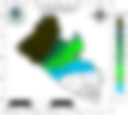
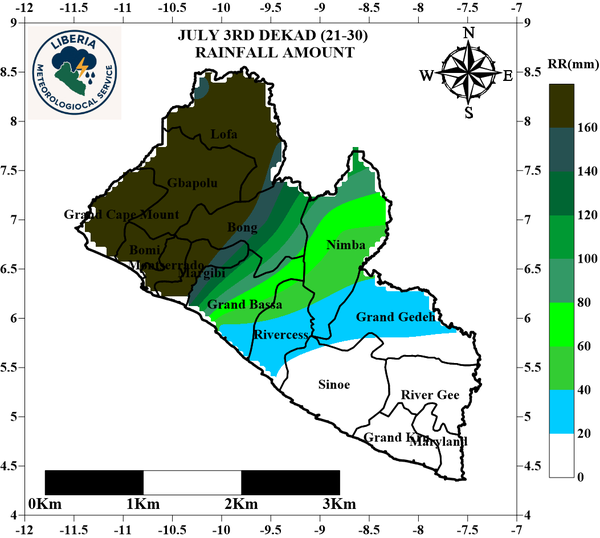
Rainfall: The Third dekad of July 2026 was characterized by increase in rainfall along the western side of the country. Nationwide, accumulated rainfall ranged from 00.0mm to 259.8mm. Nevertheless, Sinoe, Grand Kru, Maryland and part of Grand Gedeh county experienced no or less rainfall while the central part of the country observed moderate rainfall during this period.
Summary:
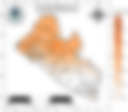
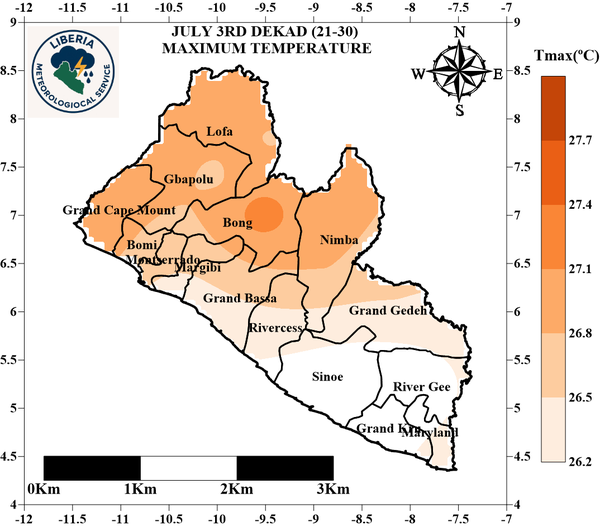
The Third dekad of July 2026 was marked by variation in maximum temperature across the country. However, the western region of Liber and parts of Bong and Nimba counties experienced highest maximum temperature while Sinoe, Rivergee, Grand Kru and Maryland record relatively low maximum temperature. The other parts of the country experienced moderate maximum temperature. During this period, maximum temperature was observed between 25.7°C and 27.3°C.
Summary:
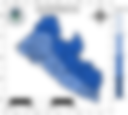
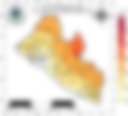
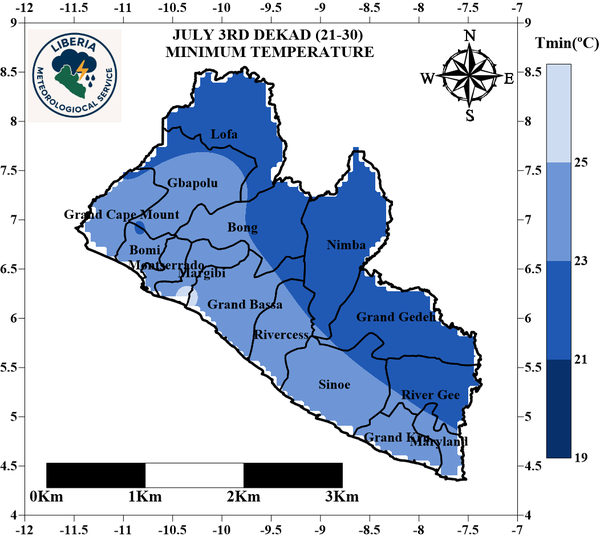
Minimum Temperature: The Third Dekad of July 2026 was characterized by variation in minimum temperature. The southern and parts of the country experienced relatively high minimum temperature, while the north and part of the central region experienced the lowest. Minimum temperature during this period ranged from 21.3°C to 25.4°C.
Summary:
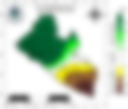
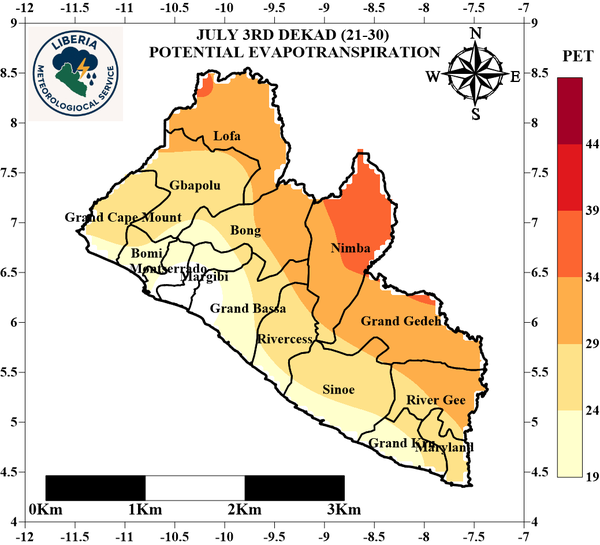
PET: During the third Dekad of July 2026, the north of the country experienced intense sunshine with high evapotranspiration rates however, Nimba county observed the highest. Nevertheless, the south (coastal) region experienced lowest evapotranspiration rate while the central region experienced moderate evapotranspiration rate.
Summary:
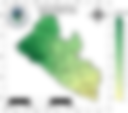
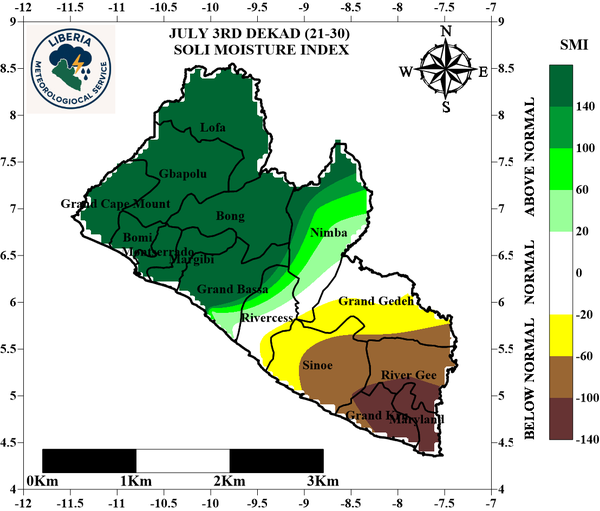
SMI: During the third dekad of July 2026, soil moisture conditions were above normal in the western and central parts of the country. However, the southeast region observed below normal in soil moisture content while parts of Rivercess, Nimba and Grand Gedeh observed normal condition in the soil.
Summary:
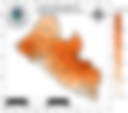
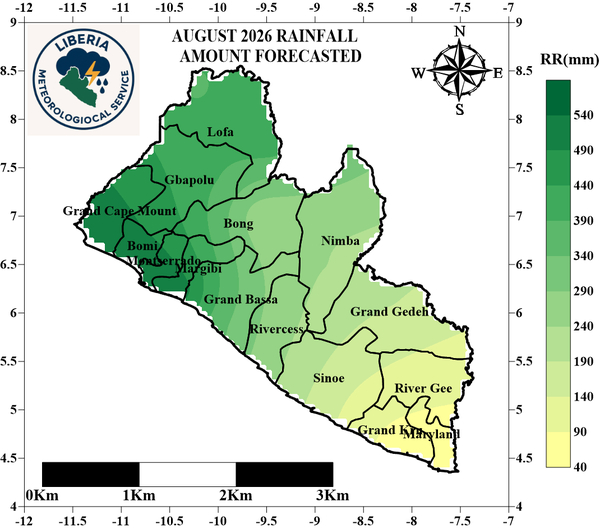
RAINFALL: In August 2026, cumulative rainfall is expected to decrease as compare to previous month, with total monthly rainfall expected to range from 56.1 mm to 542.2 mm. The southwestern and northwestern regions are forecasted to receive the highest rainfall totals, with Grand Cape Mount, Bomi, Montserrado, and Margibi Counties expected to experience the highest amounts of rainfall during the month. Nevertheless, Maryland, Grand Kru, River Gee, and the eastern Grand Gedeh Counties are expected to record the lowest rainfall totals during the same period.
Summary:
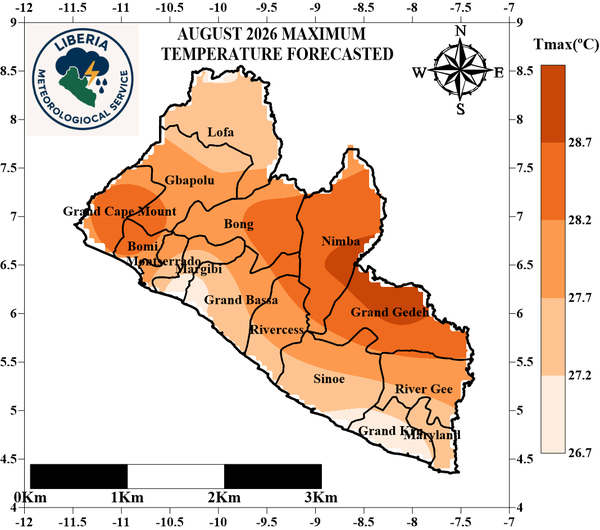
Maximum Temperature: Maximum temperature in August 2026 is anticipated to range between 26.7°C to 29.0°C across the Country. Grand Gedeh, Nimba, east of Bong, lower Gbarpolu, northwest of Bomi and east and central of Grand Cape Mount counties are anticipated to experience high maximum temperature. Margibi, Grand Bassa, Sinoe, Grand Kru counties are anticipated to experience low maximum temperature. However, moderate maximum temperature is expected in the other parts of the country.
Summary:
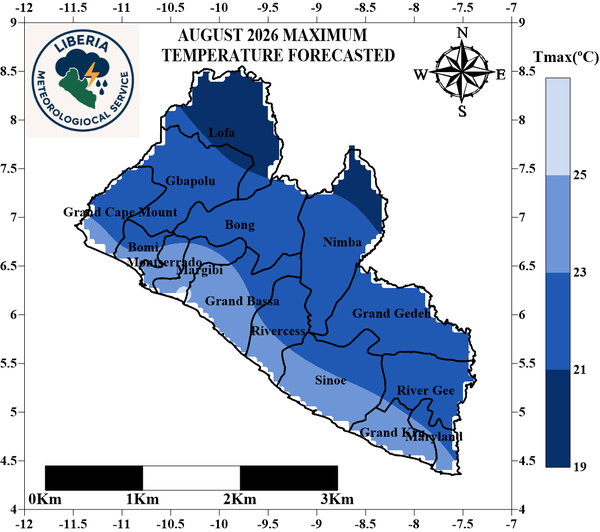
Minimum (Nighttime) Temperature : Minimum temperature across the country in August 2026 is anticipated to range between 20.7°C and 25.3°C. The highest minimum temperature is anticipated to occur along the coastal region including counties such as Maryland, Grand Kru, Sinoe, Rivercess, Grand Bassa, Margibi and Montserrado while the lowest minimum temperature is expected in Lofa and parts of Lofa and Nimba counties. The other parts of the country are anticipated to experience moderate minimum temperature.
HIGHLIGHTS OF THE AGROMETEOROLOGICAL BULLETIN FOR THE THIRD DEKAD OF JULY 2026
Rainfall: The Third dekad of July 2026 was characterized by increase in rainfall along the western side of the country. Nationwide, accumulated rainfall ranged from 00.0mm to 259.8mm. Nevertheless, Sinoe, Grand Kru, Maryland and part of Grand Gedeh county experienced no or less rainfall while the central part of the country observed moderate rainfall during this period.
Maximum Temperature: The Third dekad of July 2026 was marked by variation in maximum temperature across the country. However, the western region of Liber and parts of Bong and Nimba counties experienced highest maximum temperature while Sinoe, Rivergee, Grand Kru and Maryland record relatively low maximum temperature. The other parts of the country experienced moderate maximum temperature. During this period, maximum temperature was observed between 25.7°C and 27.3°C.
Minimum Temperature: The Third Dekad of July 2026 was characterized by variation in minimum temperature. The southern and parts of the country experienced relatively high minimum temperature, while the north and part of the central region experienced the lowest. Minimum temperature during this period ranged from 21.3°C to 25.4°C.
PET: During the third Dekad of July 2026, the north of the country experienced intense sunshine with high evapotranspiration rates however, Nimba county observed the highest. Nevertheless, the south (coastal) region experienced lowest evapotranspiration rate while the central region experienced moderate evapotranspiration rate.
SMI: During the third dekad of July 2026, soil moisture conditions were above normal in the western and central parts of the country. However, the southeast region observed below normal in soil moisture content while parts of Rivercess, Nimba and Grand Gedeh observed normal condition in the soil.
Weather outlook for the month of August 2026
RAINFALL: In August 2026, cumulative rainfall is expected to decrease as compare to previous month, with total monthly rainfall expected to range from 56.1 mm to 542.2 mm. The southwestern and northwestern regions are forecasted to receive the highest rainfall totals, with Grand Cape Mount, Bomi, Montserrado, and Margibi Counties expected to experience the highest amounts of rainfall during the month. Nevertheless, Maryland, Grand Kru, River Gee, and the eastern Grand Gedeh Counties are expected to record the lowest rainfall totals during the same period.
Maximum Temperature: Maximum temperature in August 2026 is anticipated to range between 26.7°C to 29.0°C across the Country. Grand Gedeh, Nimba, east of Bong, lower Gbarpolu, northwest of Bomi and east and central of Grand Cape Mount counties are anticipated to experience high maximum temperature. Margibi, Grand Bassa, Sinoe, Grand Kru counties are anticipated to experience low maximum temperature. However, moderate maximum temperature is expected in the other parts of the country.
Minimum (Nighttime) Temperature: Minimum temperature across the country in August 2026 is anticipated to range between 20.7°C and 25.3°C. The highest minimum temperature is anticipated to occur along the coastal region including counties such as Maryland, Grand Kru, Sinoe, Rivercess, Grand Bassa, Margibi and Montserrado while the lowest minimum temperature is expected in Lofa and parts of Lofa and Nimba counties. The other parts of the country are anticipated to experience moderate minimum temperature.
Advisory to the farmers
Increased rainfall across the western part of the country has led to progressively saturated soils, while the southeastern part has experienced reduced rainfall and a decline in soil moisture conditions during the third dekad of July. As forecasted that rainfall will increase in the western part of the country and decrease in the southeast, farmers, agricultural stakeholders, and agro-industries are advised to take the following precautions to minimize potential impacts on agricultural activities:
Farmers located in the western part of the country are strongly advised to take additional precautionary measures in their farming activities. This is due to the expected continuation of heavy rainfall, which may lead to rising river levels and possible flooding of nearby farmlands and access roads. Such conditions could disrupt farm operations, damage crops, and make transportation of agricultural products difficult. Therefore, farmers are encouraged to closely monitor local weather updates, secure farm inputs and harvested produce, and avoid crossing flooded roads or waterways during this period.
Farmers are also strongly encouraged to regularly monitor their crops, as persistent rainfall in the west and reduction in the southeast may create favorable conditions for increased pest infestations across farmlands. In the event of any pest outbreaks, farmers should promptly take appropriate pest control measures, including the use of recommended agricultural practices and approved pesticides where necessary, to minimize crop damage and yield losses. Note: It is also recommended to seek advice from extinction officer before taking this measure.
Livestock producers are encouraged to keep their animals in well-protected shelters, as increased rainfall can contribute to the spread of infectious animal diseases. Prolonged wet conditions may also increase the incidence of respiratory illnesses and other health complications. However, extended dry periods can expose livestock to heat stress, water shortages, reduced feed availability, and an increased risk of disease. Therefore, livestock producers are advised to closely monitor their animals for signs of illness, heat stress, dehydration, or any abnormal behavior that may indicate disease or distress. If any symptoms are observed, prompt veterinary intervention and appropriate management measures should be taken to safeguard animal health, welfare, and productivity.
Vegetable producers are advice to continued their farming activities upland and are strongly encouraged to properly design and lay out their fields, including the use of appropriate drainage and soil conservation practices, to minimize the risk of soil erosion and nutrient loss during period of heavy rainfall events.